
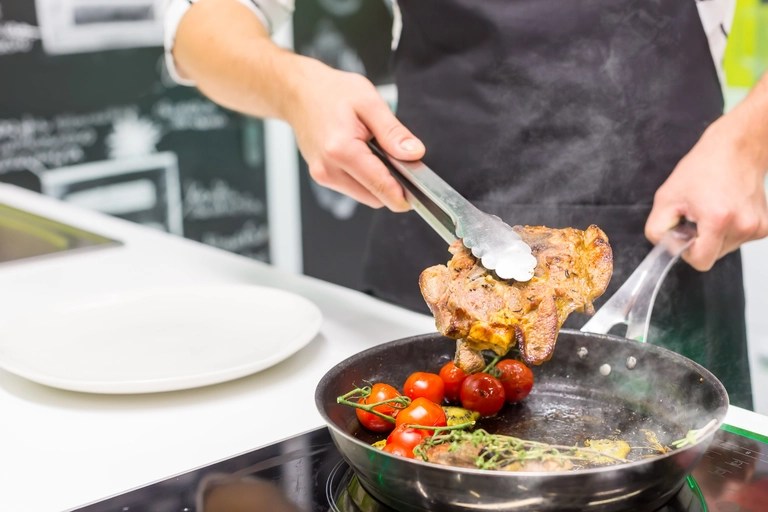
Cooking at home can be an immensely rewarding experience, but mastering certain techniques is key to unlocking your culinary potential. Whether you’re a novice or an experienced home chef, understanding fundamental cooking techniques will enhance your skills and boost your confidence in the kitchen. Here are ten essential techniques that every home chef should know.
1. Sautéing
Sautéing involves cooking food quickly in a small amount of fat over relatively high heat. This technique is perfect for vegetables, meats, and seafood, as it allows for the development of rich flavors and textures. Start by heating oil in a pan until it shimmers, then add your ingredients. Stir frequently to ensure even cooking and to prevent sticking. Sautéing is ideal for creating stir-fries, as well as building flavor bases for sauces and stews.
2. Roasting
Roasting is a dry heat cooking method that involves cooking food evenly in an oven. It is commonly used for meats, vegetables, and even fruits. The high temperature caramelizes the natural sugars, enhancing flavor and creating a pleasing texture. To roast effectively, preheat your oven, season your ingredients with oil, salt, and spices, and arrange them in a single layer on a baking sheet. This technique not only improves flavor but also creates a beautiful presentation.
3. Boiling
Boiling is a straightforward method of cooking food in water or broth at high temperatures. It’s most commonly used for pasta, grains, and vegetables. To boil, bring your liquid to a rolling boil, then add your ingredients. Maintaining the temperature is crucial; avoid adding too much food at once, which can lower the temperature and result in uneven cooking. Use boiling to prepare ingredients for salads, soups, or casseroles.
4. Steaming
Steaming is a gentle cooking technique that retains the nutrients and natural flavors of food. It involves cooking food over boiling water, allowing the steam to circulate around it. This method is excellent for vegetables, seafood, and even dumplings. Using a steamer basket or a colander over a pot of simmering water ensures even cooking. Steamed dishes often have a light texture and vibrant color, making them appealing and healthy.
5. Baking
Baking is a dry heat method that is primarily associated with preparing bread, pastries, and casseroles. It involves cooking food in an oven at controlled temperatures. Precision is key in baking, as the right ratios of ingredients and proper techniques can make or break your dish. Measuring ingredients accurately, preheating the oven, and following the recipe closely will help ensure your baked goods rise perfectly and have the desired texture.
6. Grilling
Grilling adds a unique flavor profile to food through direct heat. This technique can be performed outdoors on a charcoal or gas grill or indoors on a stovetop grill pan. Grilling is perfect for meats, vegetables, and even fruits. The key is to preheat the grill and ensure your ingredients are well-seasoned. This method creates a delightful char and smoky flavor that enhances the overall eating experience.
7. Braising
Braising is a combination cooking technique that involves first searing food at high heat and then cooking it slowly in a covered pot with a small amount of liquid. This method is often used for tougher cuts of meat, as the slow cooking tenderizes them while infusing them with flavor. Start by browning your meat, then add aromatics and liquid before covering and cooking at low heat. The result is a rich, tender dish that’s bursting with flavor.
8. Whisking
Whisking is an essential technique for combining ingredients, incorporating air, and achieving a smooth consistency. It’s commonly used for sauces, dressings, and batters. A whisk can range from a simple balloon whisk to a more specialized one, depending on your needs. When whisking, use a circular motion to fully combine ingredients and incorporate air for lightness. This technique is particularly useful in making emulsions, like mayonnaise or vinaigrettes.
9. Chopping and Knife Skills
Having good knife skills is fundamental for any home chef. Chopping, mincing, and dicing not only improves the presentation of your dishes but also ensures even cooking. Use a sharp knife and practice the proper grip and cutting techniques to enhance safety and efficiency. Familiarize yourself with various cuts, such as julienne, brunoise, and chiffonade, to expand your culinary repertoire.
10. Sous Vide
Sous vide, which means “under vacuum” in French, is a modern cooking technique that involves vacuum-sealing food in a bag and cooking it at a precise temperature in a water bath. This method allows for unparalleled control over doneness and enhances flavors while keeping food moist. While it requires specialized equipment, the results can be stunning. Perfectly cooked steaks, tender vegetables, and custards are just a few examples of what can be achieved with sous vide.
Mastering these ten essential cooking techniques will not only enhance your culinary skills but also inspire creativity in the kitchen. As you become more comfortable with these methods, you’ll find yourself experimenting with flavors and developing your own unique dishes. Happy cooking!
 Happy Family News